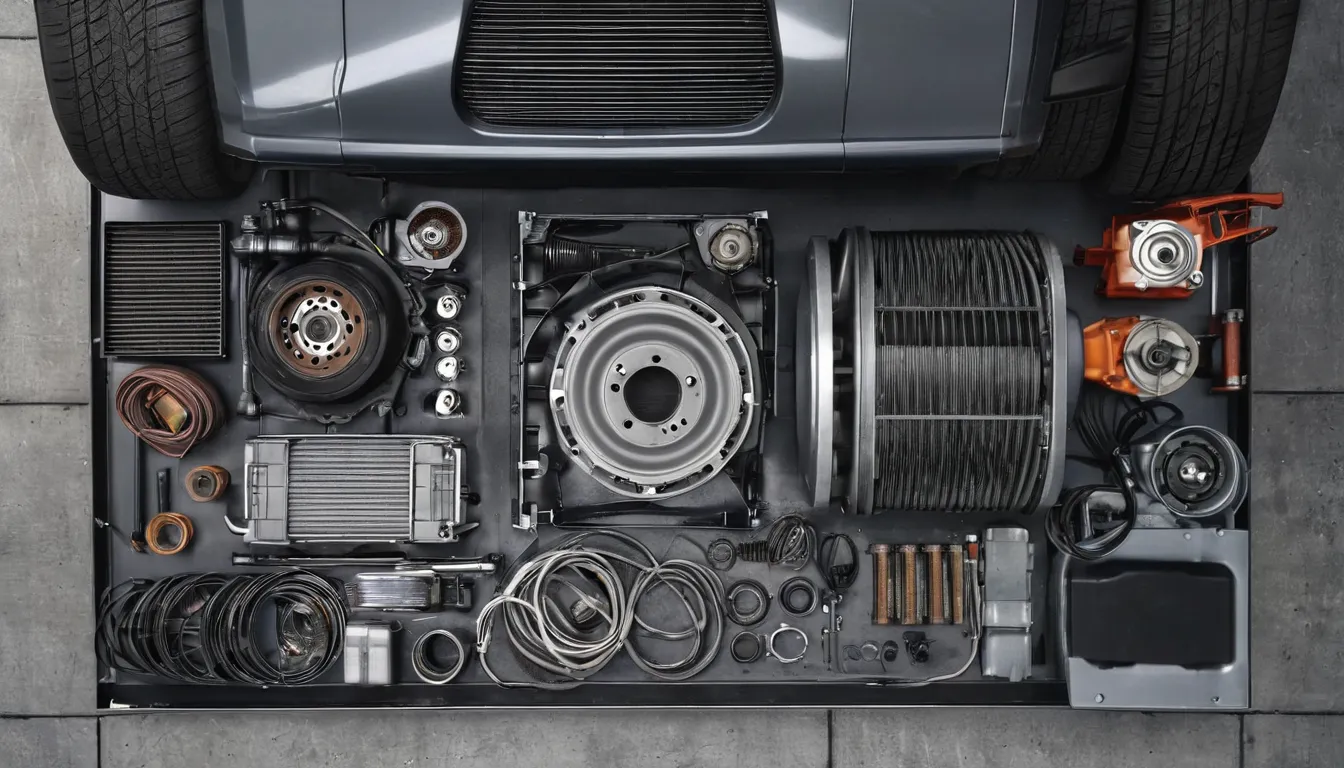
The parts map
Each number marks roughly where a common part sits on a typical front-engine car. Pick a number or a row to read the guide for that part. The meter shows who usually does the job: owners with basic tools, owners with some experience, or a repair shop. Red markers are safety-critical parts.
- 01Brake pads and rotors Safety-criticalShop job
- 02Brake fluid Safety-criticalShop job
- 03Engine air filterDIY-friendly
- 04Timing belt or chainShop job
- 05Oil filterSome skill
- 06Serpentine beltSome skill
- 0712-volt batterySome skill
- 08Cabin air filterDIY-friendly
- 09Wiper bladesDIY-friendly
- 10Headlight bulbsSome skill
- 11Tail and brake lightsDIY-friendly
Guides by part
Brakes
Pads, rotors, calipers and brake fluid, the warning signs of wear, and why brake work belongs with a mechanic.
Filters
Oil, engine air, cabin air and fuel filters: what each one cleans and which ones owners often change themselves.
Belts
The serpentine belt that drives the accessories and the timing belt or chain that keeps the engine in step.
Batteries
Group sizes, cold cranking amps, battery types for start-stop cars, and safe handling.
Wipers
Blade styles, lengths and connectors, and how to tell when blades are worn out.
Bulbs
Halogen, LED and HID lighting, bulb codes, and which lamps are easy to change.
Three things to know before you buy any part
- Your exact vehicle. Year, make and model are a start. Engine size, trim, drivetrain and sometimes the build month matter too. The guide to finding the right part shows where to look.
- What kind of part you want. Parts come from the vehicle maker or from other manufacturers. The OEM and aftermarket guide explains the terms without picking sides.
- Who should fit it. Wiper blades and cabin filters are simple. Brakes and timing belts are not. The DIY or shop page sorts common jobs by skill and risk.
A word on safety
Safety first. Brakes, steering, suspension, tires, airbags, fuel lines and high-voltage hybrid or electric systems keep you and other people safe on the road. If you are not trained and equipped for that work, leave it to a qualified mechanic. Our safety page lists the warning signs that mean you should stop driving and get the car checked.
The guides here explain how parts work in general terms. They don't replace your owner's manual, which gives the correct parts, fluids and service schedule for your vehicle. When the manual and a general guide disagree, follow the manual.
Common questions
Do you sell parts or recommend brands?
No. Auto Parts Car is an independent guide. We don't sell anything, we don't name preferred brands or stores, and we don't list prices, which change often and vary by region.
How do I know when a part needs replacing?
Start with the maintenance schedule in your owner's manual, which lists service intervals by time or mileage. Between services, watch for the warning signs listed on each part guide, and have a mechanic inspect anything that affects braking, steering or visibility.
Can I fit parts myself without voiding my warranty?
In the United States, a federal law generally stops a manufacturer from voiding your warranty just because you used other parts or did your own maintenance. Keep receipts and records. The OEM and aftermarket guide has more detail.